How MGIS Qortuba Nurtures Thinkers, Communicators, and Risk-Takers through the IB-PYP
At MGIS Qortuba, learning goes far beyond traditional instruction. Guided by the IB Primary Years Programme (IB-PYP), our classrooms are designed to develop students who are not only knowledgeable but also curious thinkers, confident communicators, and courageous risk-takers. Through meaningful, inquiry-driven experiences, students actively engage with real-world concepts and develop the skills needed for lifelong success.
Cultivating Thinkers through Inquiry and Real-World Problem Solving
At MGIS, students are encouraged to think deeply, ask meaningful questions, and explore multiple solutions. Rather than simply receiving information, they construct their own understanding through investigation and reflection.
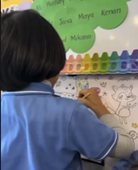
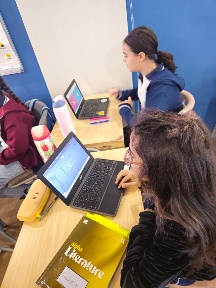
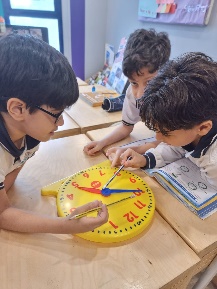
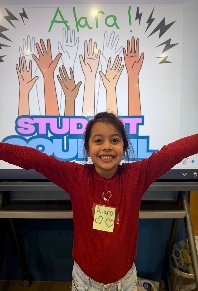
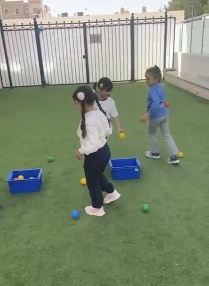
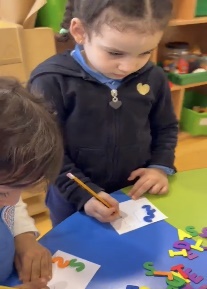
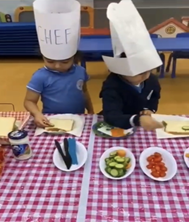
In our classrooms, this looks like:
- KG students exploring “Sharing the Planet” by discussing how to take care of their environment, sorting recyclable materials, and proposing simple actions to reduce waste in their daily lives.
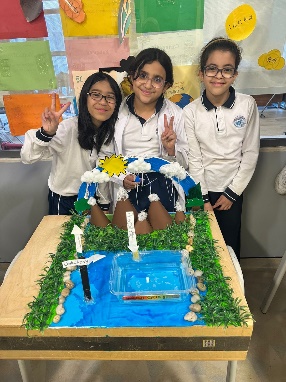
- Grade 2 students analyze real-life problems, such as how to reduce water usage at school, then design posters and present solutions based on their findings.
- Upper primary students engage in research projects, comparing different energy sources and debating which are most sustainable for their community.
These experiences develop students’ ability to analyze, evaluate, and apply knowledge, transforming them into independent thinkers who understand why they learn, not just what they learn.
Developing Confident Communicators through Active Expression
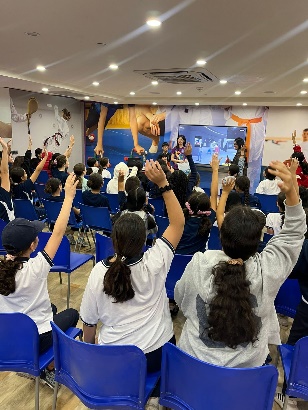
Communication at MGIS is not limited to speaking or writing; it is a dynamic, interactive process where students learn to express ideas clearly, listen to others, and collaborate effectively.
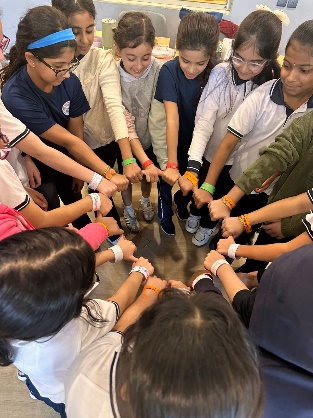
In practice, students:
- Participate in three-way conferences, where they confidently explain their learning progress and reflect on their goals alongside their teachers and parents.
- Engage in group discussions and collaborative tasks, such as planning a class project or solving a shared challenge, where they learn to listen, negotiate, and build on each other’s ideas.
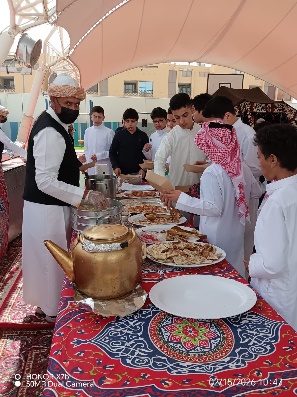
- Use multiple forms of communication, including presentations, storytelling, writing, and visual representations, to share their understanding.
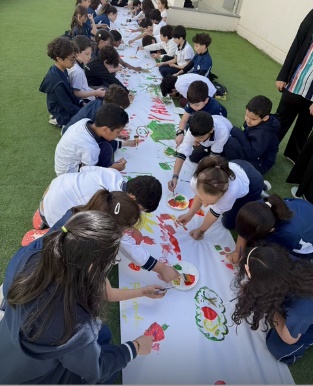
For example, during a unit on “How We Express Ourselves,” students created artwork and performances to communicate their ideas, demonstrating that communication extends beyond words into creativity and expression.
These opportunities empower students to become articulate, respectful, and effective communicators in diverse contexts.
Encouraging Risk-Takers through a Safe and Supportive Learning Environment
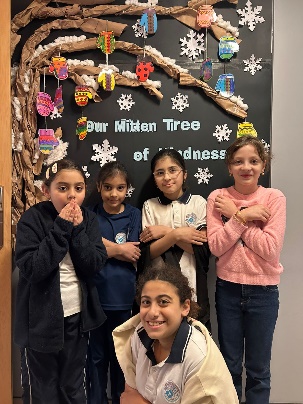
At MGIS Qortuba, we believe that meaningful learning happens when students feel safe to take risks, make mistakes, and try again. Our classrooms foster a culture where challenges are embraced as opportunities for growth.
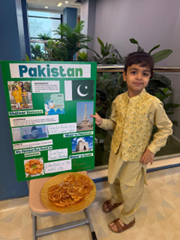
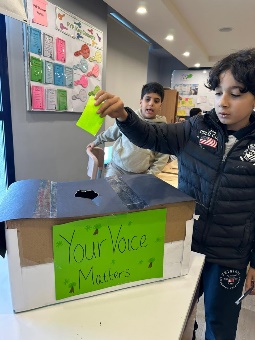
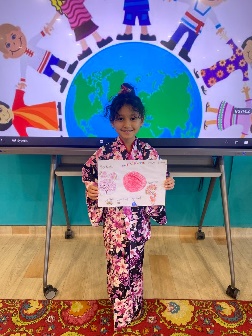
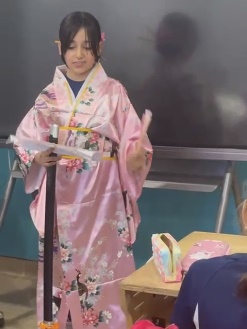
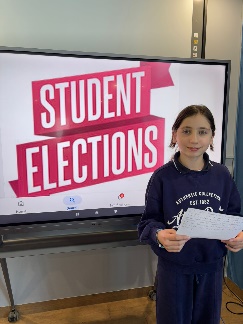
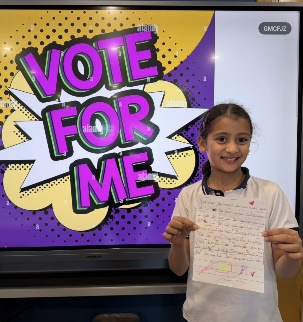
Students are encouraged to:
- Attempt new and unfamiliar tasks, such as presenting in front of peers, experimenting with new strategies in math, or exploring creative solutions in projects.
- Reflect on mistakes as part of the learning process, understanding that growth comes from effort and perseverance.
- Take initiative in their learning, whether by leading a group activity, asking questions, or proposing new ideas.
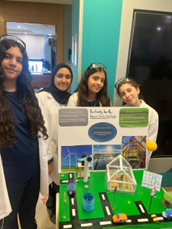
For instance, during STEAM activities, students design and test their own solutions, often revising their work multiple times. This process builds resilience, confidence, and a growth mindset.
IB-PYP in Action at MGIS Qortuba
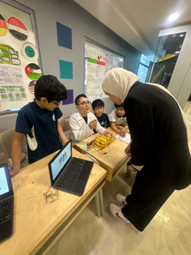
The IB-PYP framework at MGIS ensures that learning is:
- Student-centered: Students take an active role in their learning
- Inquiry-driven: Learning begins with questions and exploration
- Concept-based: Students understand big ideas that transfer across subjects
Through transdisciplinary units, students connect their learning to the real world. For example:
- In “Who We Are,” students explore health and well-being by making connections between nutrition, physical activity, and personal choices.
- In “Where We Are in Place and Time,” students investigate how communities change over time, linking history to their own experiences.
These connections make learning meaningful and relevant, helping students see themselves as active participants in their world.
Let’s Get Social!
Stay connected with the MGIS School community beyond the classroom by following us on our social media accounts. Get real-time updates, glimpses of student life, and more!
Facebook: @ModernGlobalInternationalSchool
Twitter: @MGIS_KSA
Instagram: @mgis_ksa
LinkedIn: @ModernGlobalInternationalSchool
Snapchat: @mgisdc
Tiktok: @mgischools